Powerful Reduce Image Size In KB Free Tool – Compress JPG, PNG & WEBP Online 2026
 rakhal das
Reduce Image Size In KB Free – Best Online Image Compressor Tool For Fast Website Speed & SEO in 2026
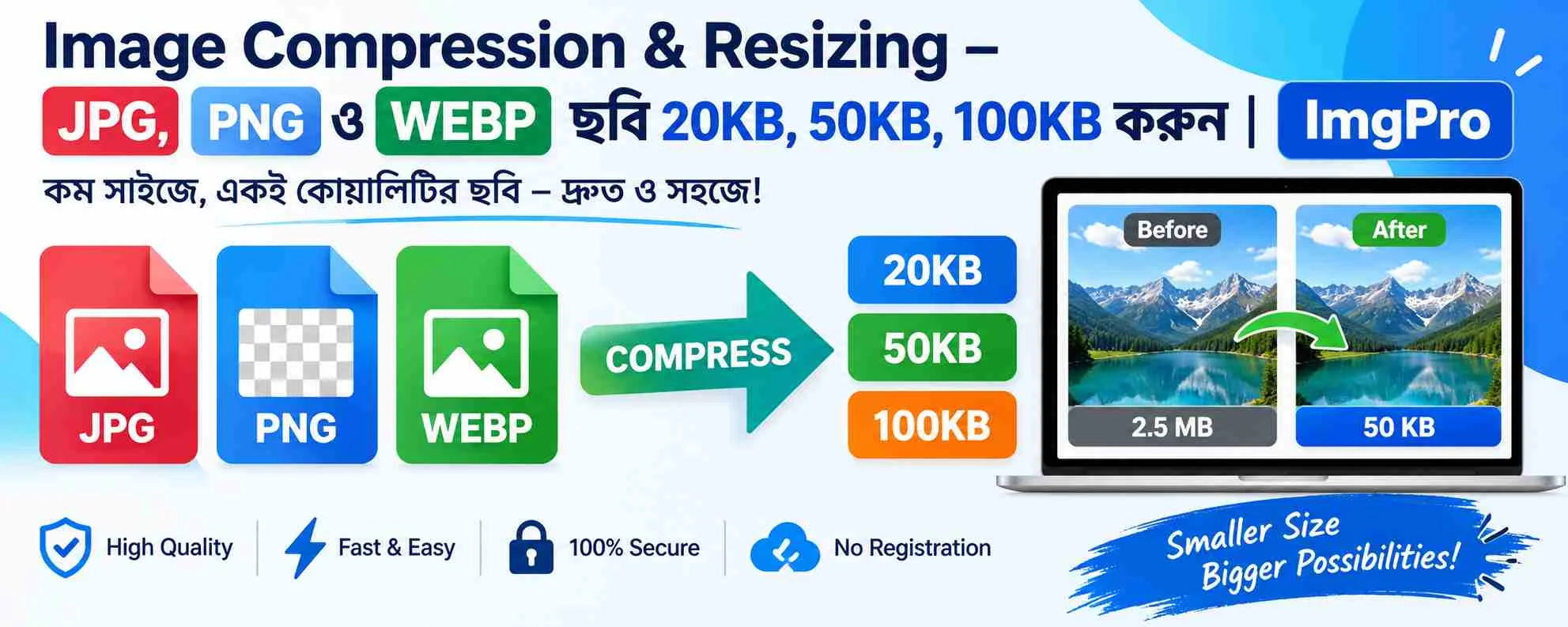
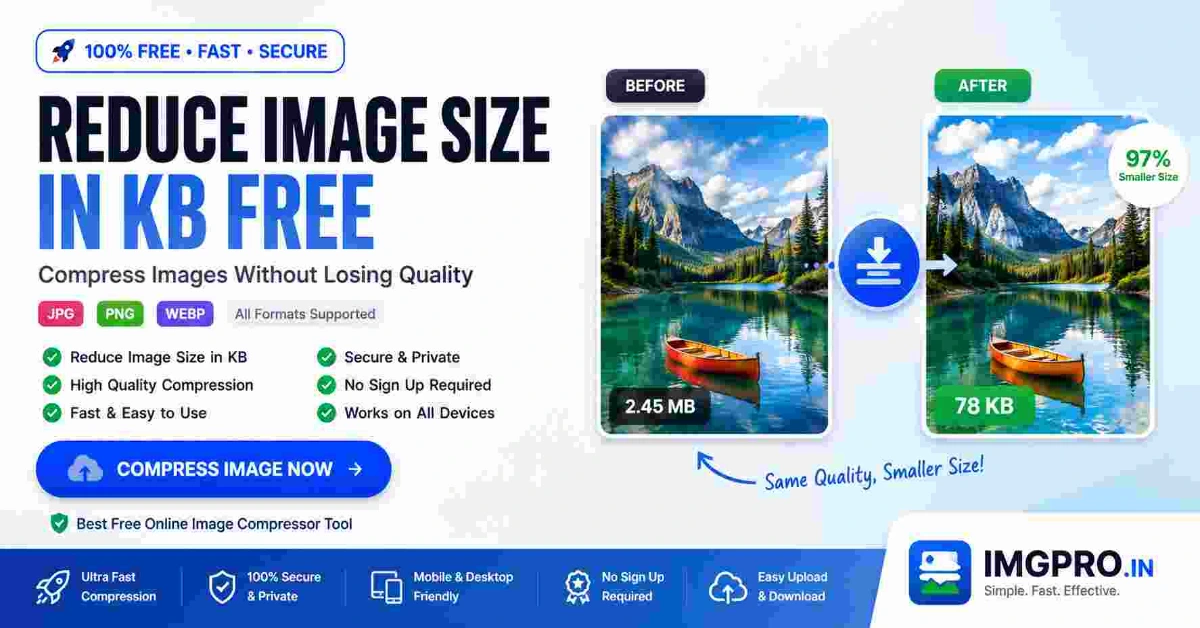
In today’s digital world, image optimization has become extremely important for bloggers, website owners, students, photographers, graphic designers, and even job applicants. Large image files slow down websites, reduce SEO performance, consume more storage, and create upload issues on government portals. That is why millions of users search every day for the best way to Reduce Image Size In KB Free without losing quality.
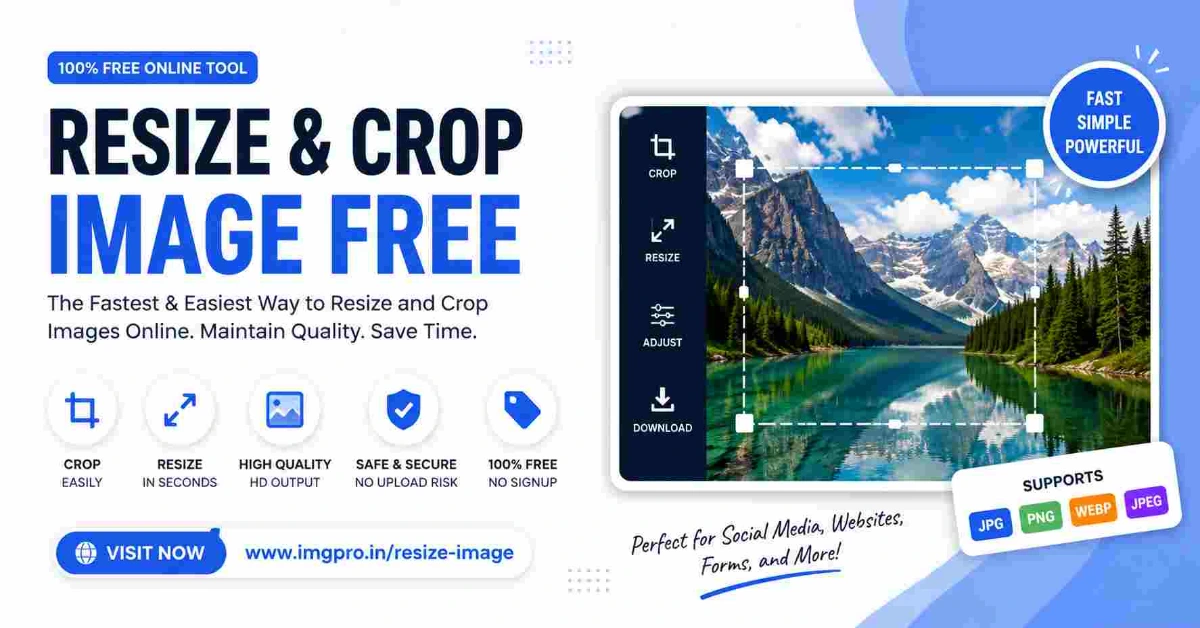
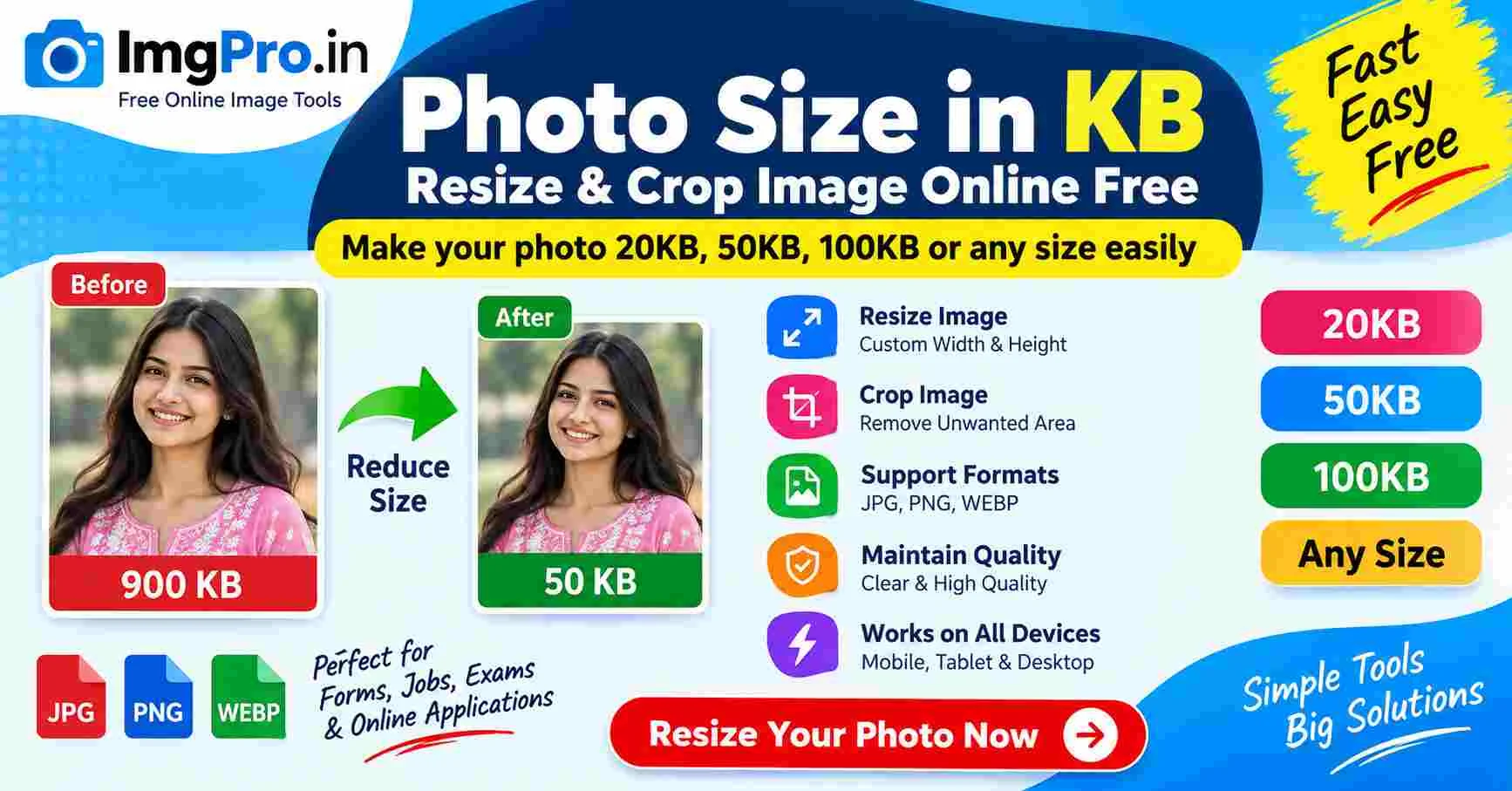
If you are looking for a simple, fast, and free image compressor tool, then ImgPro.in is one of the best online platforms available in 2026. This tool helps users compress JPG, PNG, WEBP, and other image formats instantly while maintaining high quality.
Whether you want to reduce image size to 20KB, 50KB, 100KB, or 200KB, this detailed guide will explain everything you need to know about image compression, SEO benefits, Google Discover ranking factors, and how to optimize images for websites and online forms.
Why Image Compression Is Important in 2026
Modern websites use a large number of images for blog posts, banners, product listings, thumbnails, and social media previews. If images are not optimized properly, they increase page loading time significantly.
Google now prioritizes fast-loading mobile-friendly websites. Slow websites lose traffic, reduce engagement, and rank lower in search results.
Reducing image size helps solve these problems.
Major Reasons to Compress Images
- Improve website loading speed
- Increase Google SEO ranking
- Optimize Core Web Vitals
- Improve Google Discover visibility
- Save hosting storage space
- Reduce bandwidth usage
- Upload photos easily on government websites
- Share images faster on social media
- Improve mobile browsing experience
Image optimization is no longer optional. It is one of the most important SEO practices for every website owner.
What Does “Reduce Image Size In KB Free” Mean?
Reducing image size means decreasing the file size of an image without significantly affecting visual quality.
For example:
| Original Size | Compressed Size |
|---|---|
| 5MB | 200KB |
| 2MB | 100KB |
| 800KB | 50KB |
The image still looks clear but takes less storage and loads faster online.
Online tools like ImgPro.in make this process simple and free.
Benefits of Using Online Image Compressor Tools
Using an online image compression tool offers multiple advantages for different types of users.
Faster Website Speed
Compressed images load quickly on mobile devices and desktops. Faster websites improve user experience and SEO rankings.
Better Search Engine Optimization
Google prefers websites with optimized images because they provide better performance.
Improved Google Discover Ranking
Google Discover heavily favors fast-loading pages with optimized media files.
Easy Document Upload
Government websites often require:
- Passport photo under 50KB
- Signature under 20KB
- Documents under 200KB
Image compressors make this process easy.
Save Internet Data
Smaller image files consume less mobile data and bandwidth.
Better Mobile Experience
Compressed images improve browsing experience on slower internet connections.
Why ImgPro.in Is One of the Best Free Image Compressor Tools
ImgPro.in provides multiple advanced image optimization features for users.
Main Features
- Free image compression
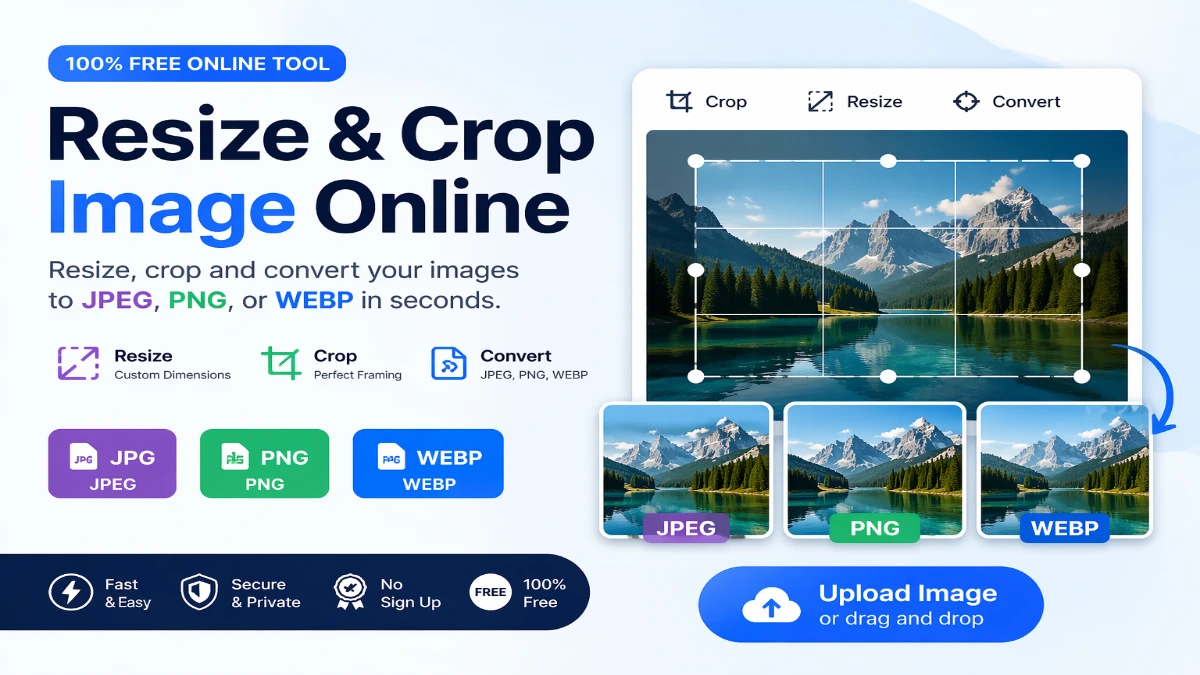
- JPG, PNG, WEBP support
- Mobile-friendly interface
- Fast image optimization
- Secure image processing
- High-quality compression
- Resize and crop options
- No software installation required
- Works directly in browser
The platform is ideal for bloggers, students, website owners, and social media users.
How To Reduce Image Size In KB Free Using ImgPro.in
Compressing images is very easy.
Step 1: Open the Website
Visit:
ImgPro.in Image Compressor
Step 2: Upload Your Image
Choose your image from:
- Mobile phone
- Laptop
- Desktop computer
Supported formats include:
- JPG
- PNG
- WEBP
Step 3: Select Compression Level
Choose desired image size such as:
- 20KB
- 50KB
- 100KB
- 200KB
Step 4: Compress Image
Click the compress button.
Step 5: Download Optimized File
Your optimized image will be ready instantly.
Best Image Formats for Compression
Different image formats have different benefits.
JPG Format
JPG is best for:
- Blog images
- Photography
- Website banners
- Social media posts
Advantages:
- Smaller file size
- Fast loading
- Good quality
PNG Format
PNG is best for:
- Logos
- Transparent backgrounds
- Graphics
Advantages:
- Better image clarity
- Transparency support
WEBP Format
WEBP is one of the best modern image formats.
Advantages:
- Extremely small file size
- Better SEO performance
- High image quality
- Faster loading speed
Google recommends WEBP for modern websites.
Difference Between Resize and Compress
Many people confuse resizing and compression.
Image Resize
Resizing changes:
- Width
- Height
- Dimensions
Example:
- 4000px × 3000px → 1200px × 800px
Image Compression
Compression reduces:
- File size
- Storage space
Without changing visible quality significantly.
Both methods improve website performance.
How Image Optimization Helps Google Discover Ranking
Google Discover is a major traffic source for blogs and news websites.
Image optimization plays a very important role in Discover visibility.
Benefits of Optimized Images for Discover
- Faster mobile loading
- Better page experience
- Improved Core Web Vitals
- Lower bounce rate
- Higher user engagement
Google Discover prefers websites that load quickly and provide a smooth mobile experience.
Important SEO Tips for Image Optimization
To rank better on Google, follow these image SEO practices.
Use Proper File Names
Instead of:
- IMG123.jpg
Use:
- reduce-image-size-in-kb-free.jpg
Add ALT Text
Example:
- “Reduce image size online free tool”
ALT text improves accessibility and SEO.
Use WEBP Images
WEBP format loads faster than JPG and PNG.
Compress Before Uploading
Always compress images before adding them to your website.
Avoid Huge Banner Images
Large banners slow down page speed.
Common Image Size Requirements
Many websites and applications require specific image sizes.
| Use Case | Recommended Size |
|---|---|
| Passport Photo | 50KB |
| Signature Upload | 20KB |
| Aadhaar Upload | 100KB |
| PAN Application | 200KB |
| Website Blog Image | 100KB–300KB |
Using a compressor tool makes it easy to meet these requirements.
Image Compression for Bloggers
Bloggers benefit greatly from image optimization.
Faster Page Speed
Fast pages improve user engagement.
Better Adsense Performance
Optimized websites often have better ad visibility.
Improved Search Ranking
Google rewards fast websites.
Lower Hosting Costs
Compressed images use less server storage.
Image Compression for E-commerce Websites
Online stores use many product images.
Large images slow down:
- Product pages
- Checkout pages
- Mobile browsing
Compressed product images improve:
- User experience
- Conversion rates
- SEO rankings
Why Mobile-Friendly Compression Matters
Most internet users now browse from smartphones.
Mobile users expect:
- Fast loading
- Smooth scrolling
- Low data usage
Compressed images help achieve all these goals.
Best Practices for Website Image Optimization
Use Lazy Loading
Load images only when users scroll down.
Use Responsive Images
Different image sizes for:
- Mobile
- Tablet
- Desktop
Compress Featured Images
Featured images affect page speed significantly.
Optimize Thumbnail Images
Smaller thumbnails improve performance.
How Large Images Affect Website Performance
Large images can cause:
- Slow loading
- High bounce rates
- Poor SEO rankings
- Reduced user satisfaction
Google Core Web Vitals are heavily affected by image size.
What Are Core Web Vitals?
Core Web Vitals are Google’s performance metrics.
Largest Contentful Paint (LCP)
Measures loading speed.
Cumulative Layout Shift (CLS)
Measures visual stability.
Interaction to Next Paint (INP)
Measures responsiveness.
Optimized images improve all these metrics.
Why Website Speed Matters for SEO
Google officially uses page speed as a ranking factor.
Fast websites:
- Rank better
- Get more traffic
- Improve user retention
Image compression is one of the easiest ways to improve speed.
Best Image Compression Tips Without Losing Quality
Avoid Over-Compression
Extreme compression may reduce quality.
Use Proper Dimensions
Resize large photos before uploading.
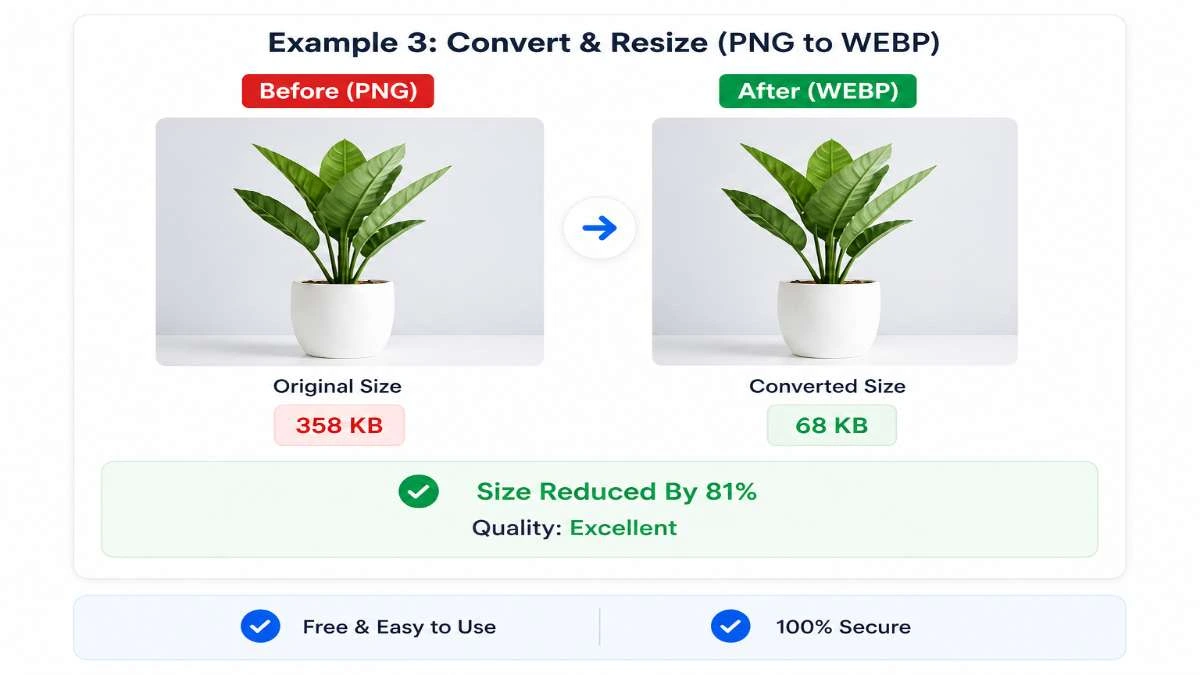
Convert PNG to JPG When Needed
JPG files are smaller.
Use Modern Formats
WEBP and AVIF provide excellent optimization.
Free vs Paid Image Compression Tools
Free Tools
Advantages:
- No cost
- Easy to use
- Great for beginners
Paid Tools
Advantages:
- Advanced optimization
- Bulk image compression
- API integrations
For most users, free tools like ImgPro.in are sufficient.
Security and Privacy in Online Image Compression
Many users worry about uploading personal images online.
Trusted image compressor tools usually:
- Use secure servers
- Automatically delete files
- Protect user privacy
Always use trusted platforms.
Image Compression for Students
Students often need image optimization for:
- Online exam forms
- Scholarship applications
- ID uploads
- Assignment submissions
Image compressors save time during online registrations.
Image Compression for Government Job Applications
Government recruitment portals often reject large image uploads.
Examples:
- SSC
- Railway
- Banking
- State PSC
- Police recruitment
Most portals require strict image size limits.
Using a free image compressor helps applicants upload documents successfully.
Future of Image Optimization
Image optimization technology is evolving rapidly.
AI-Based Compression
AI tools automatically:
- Detect image quality
- Optimize file size
- Improve sharpness
AVIF Format Growth
AVIF is becoming more popular because:
- Smaller file size
- Better quality
- Faster loading
Mistakes To Avoid During Image Compression
Uploading Huge Original Images
Resize before compressing.
Ignoring Mobile Performance
Most traffic comes from smartphones.
Using Wrong File Formats
Choose correct formats based on use case.
Compressing Multiple Times
Repeated compression may reduce quality.
How Bloggers Can Rank on Google Discover Using Optimized Images
Google Discover relies heavily on:
- User engagement
- Mobile speed
- High-quality visuals
Discover Optimization Tips
- Use high-quality featured images
- Compress all images
- Add relevant ALT text
- Use responsive design
- Publish fresh content regularly
Fast-loading articles have better chances of appearing in Discover feeds.
Why Every Website Needs an Image Compression Tool
Every modern website depends on visuals.
Without optimization:
- Pages become slow
- SEO suffers
- Visitors leave quickly
Image compression tools are now essential for:
- Blogs
- E-commerce stores
- News websites
- Educational portals
- Portfolio sites
How To Choose the Best Image Compressor
Before selecting a tool, check:
Compression Quality
Images should remain clear.
Speed
Processing should be instant.
Format Support
Supports:
- JPG
- PNG
- WEBP
Mobile Compatibility
Works on Android and iPhone.
Security
Protects uploaded files.
ImgPro.in Free Image Compressor offers all these features.
Frequently Asked Questions
What is the best free image compressor tool?
ImgPro.in is one of the best free online image compressor tools for JPG, PNG, and WEBP images.
Can I reduce image size without losing quality?
Yes, modern compression tools use smart optimization algorithms to maintain quality.
Which image format is best for SEO?
WEBP is considered one of the best formats for SEO and page speed optimization.
How can I compress image size to 50KB?
Upload your image to an online compressor tool and choose 50KB as the target size.
Does image optimization improve Google ranking?
Yes, optimized images improve website speed and SEO performance.
Is online image compression safe?
Trusted websites usually use secure servers and automatically remove uploaded files.
Can I compress images on mobile?
Yes, modern image compressor tools work perfectly on smartphones.
Why are compressed images important for Google Discover?
Compressed images improve mobile speed and user experience, which helps Discover visibility.
Conclusion
Reducing image size is one of the most important steps for improving website performance, SEO rankings, and mobile user experience in 2026. Large image files slow down websites, increase bounce rates, and negatively affect Google rankings.
Using a trusted online tool like ImgPro.in makes it easy to compress images without losing quality. Whether you are a blogger, student, web developer, social media creator, or job applicant, image optimization can save time, improve performance, and enhance online visibility.
If you want better Google Discover ranking, faster website loading, and smoother user experience, start optimizing your images today using a free image compressor tool.
.jpeg)
.jpeg)
.jpeg)
.jpeg)
.jpeg)
.jpeg)
.jpeg)




.jpeg)











.png)






.png)