8th Central Pay Commission focusing on the fitment factor

 Rakhal das
What is the 8th CPC?
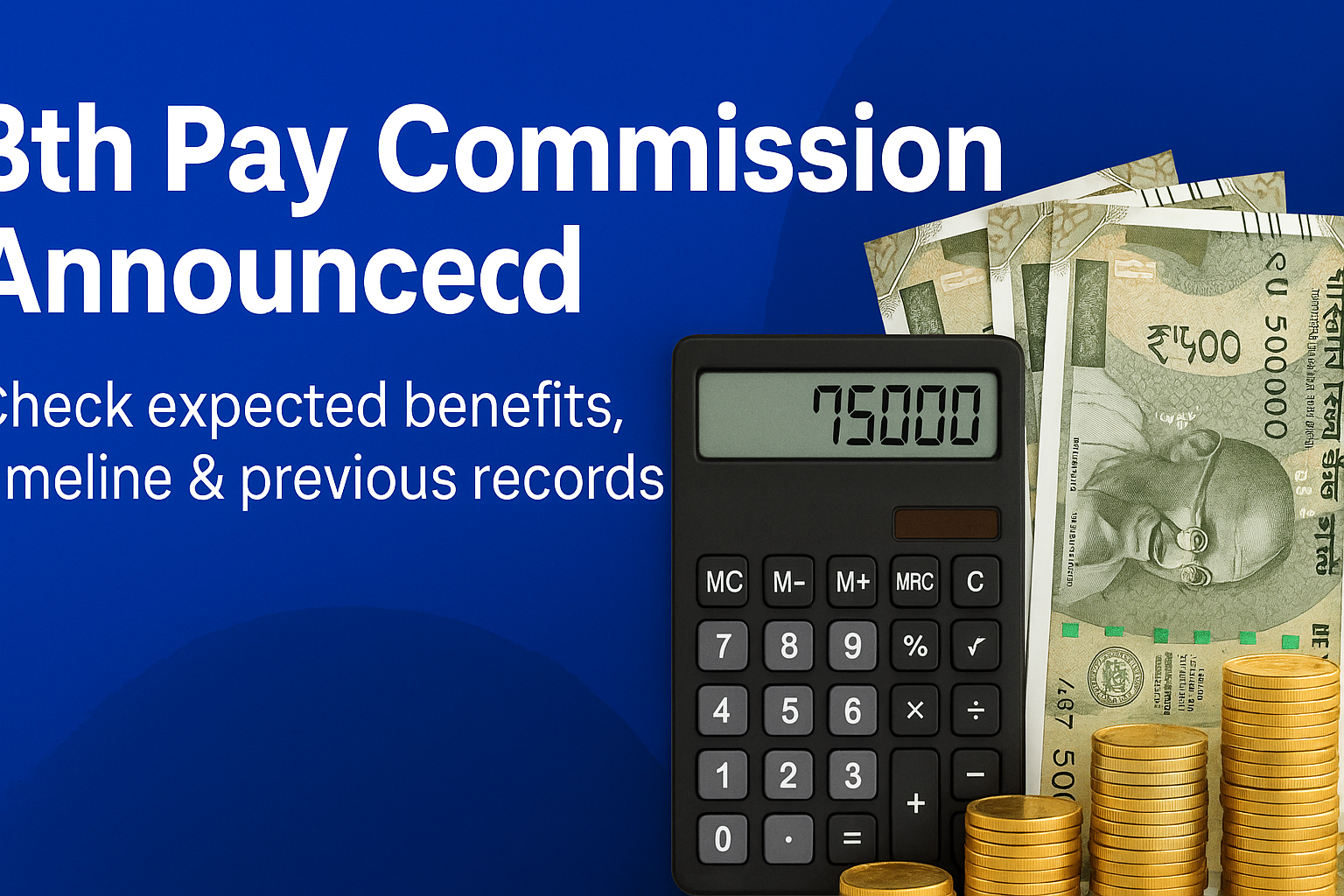
Every so often the Government of India reviews and revises the salaries, allowances, pensions of its central government employees and pensioners via a Pay Commission. The 8th CPC is the next in line after the 7th CPC, meant to adjust pay-scales to keep pace with inflation, changed job-roles, cost of living, etc.
On 28 October 2025 the Union Cabinet of India approved the Terms of Reference for the 8th CPC, setting the process formally in motion.
What does “fitment factor” mean?
One of the central concepts in how the pay revision works is the fitment factor — a multiplier applied to an employee’s current basic pay to arrive at the revised basic pay under the new pay matrix.
Key points:
- Under the 7th CPC the fitment factor was 2.57.
- However, the effective increase in take-home pay was much less, because when a new Commission begins, the Dearness Allowance (DA) is reset (or its base is re-fixed) – thus limiting the net gain.
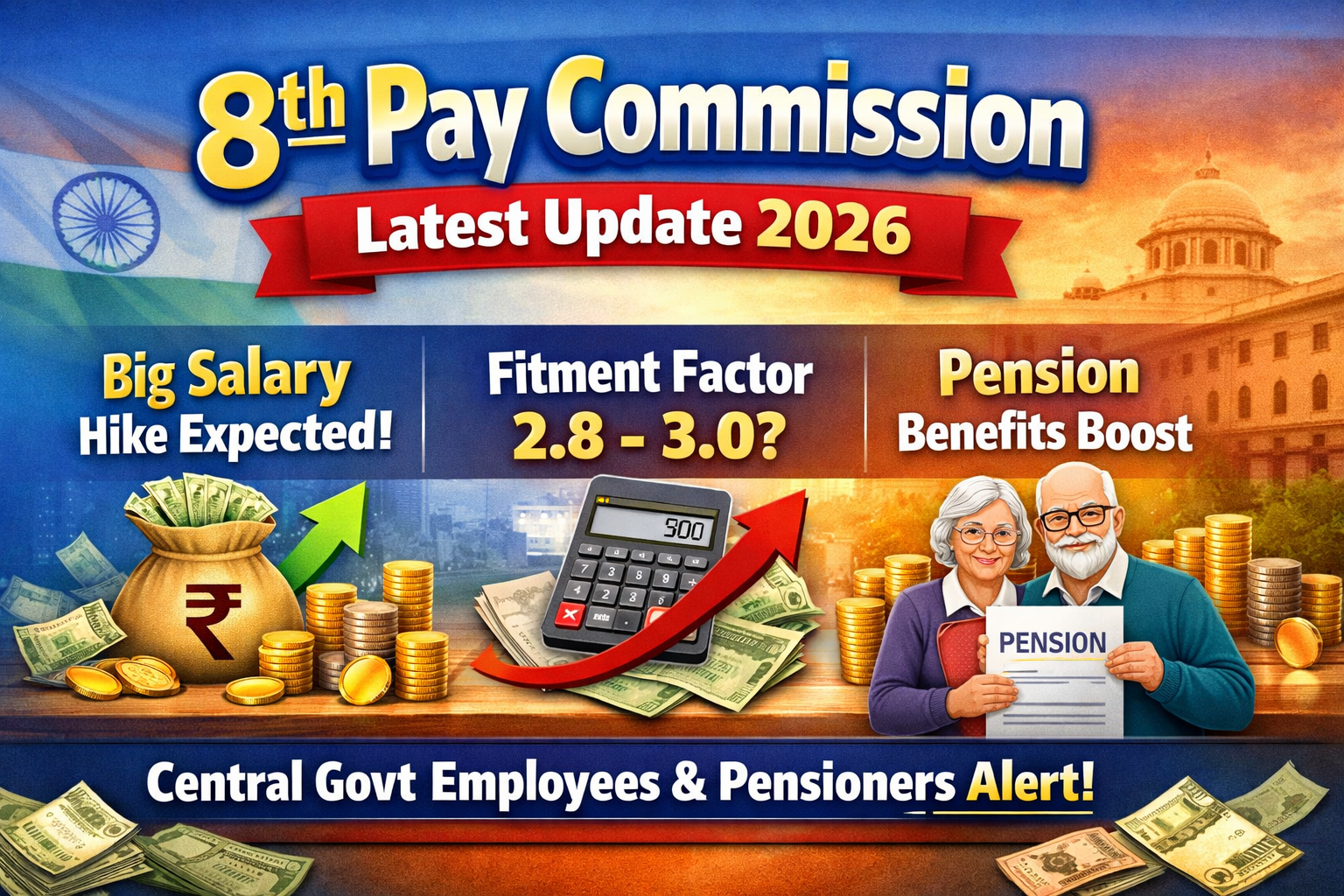
- For the 8th CPC, various estimates suggest that the fitment factor could be in a range (for example, 1.83 to 2.46) or potentially higher (up to ~2.86) depending upon fiscal constraints and other parameters.
Why it matters:
Because basic pay is used as the base for allowances (HRA, TA, etc.), a higher basic pay via a higher fitment factor means a greater absolute gain. But the picture is complex because DA resets and other allowances depend on current structures.
What the Cabinet approval means
The Union Cabinet’s approval of the ToR for 8th CPC is a major milestone:
- It signals that the Government has formally given the green-light to set up the Commission and invite inputs from stakeholders.
- The implementation is likely to be effective from 1 January 2026, or at least the intention is for that date, though delays could shift it.
- It affects around 50 lakh (5 million) central government employees and about 6.9 million pensioners (figures as per latest media reports) who stand to benefit from salary/pension revision.
What could be the likely salary/pension impact?
Based on analysis and expert commentary, here are the likely scenarios:
- If the fitment factor were, say 2.86, an employee at basic pay level of Rs 18,000 (7th CPC minimum) could see basic pay rise to ~Rs 51,480.
- Using a fitment factor in the ~1.83 to 2.46 range, the minimum basic pay could go from Rs 18,000 to roughly Rs 32,940 to Rs 44,280.
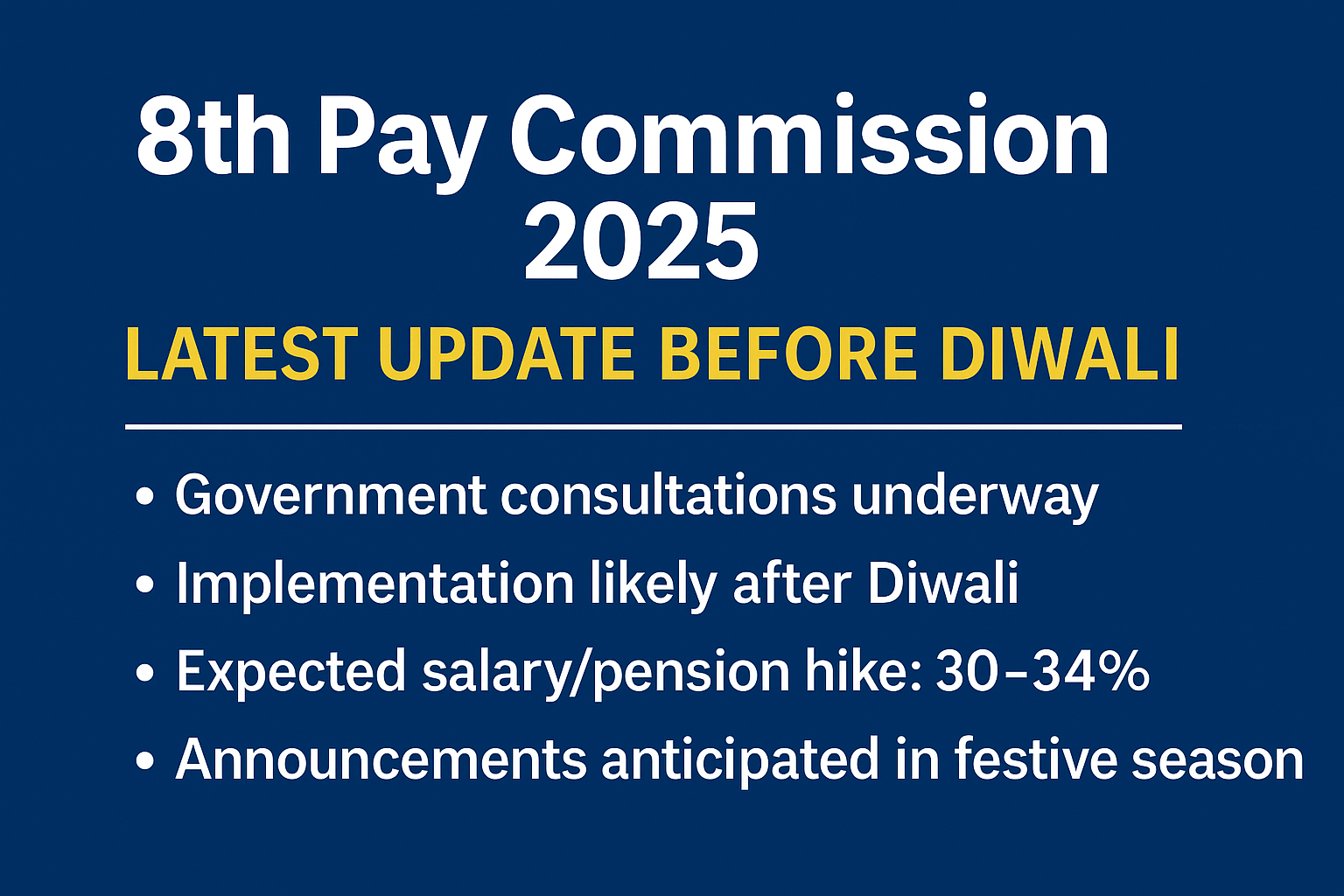
- Experts estimate the effective salary hike (including allowances etc) for many employees at around 30–34%.
- But caution: Because DA resets to zero, even a large fitment factor may not translate straight into 2–3 times pay.
What should employees and pensioners watch out for?
Here are key things for central government employees/pensioners to keep an eye on:
- Await formal notification: While the ToR is approved, the Commission’s formal constitution, its recommendations and the Government’s final decision are still pending.
- Check your pay level & matrix: Once the new Pay Matrix under 8th CPC is out, you’ll need to find your pay level and work out your revised basic pay (basic = existing basic × fitment factor).
- Allowances will change: Since allowances are based on basic pay, the increase in basic will likely raise HRA, TA, etc. But timelines and % may differ.
- Arrears may apply: If the implementation is from 1 Jan 2026, arrears for past months may apply — check what your department decides.
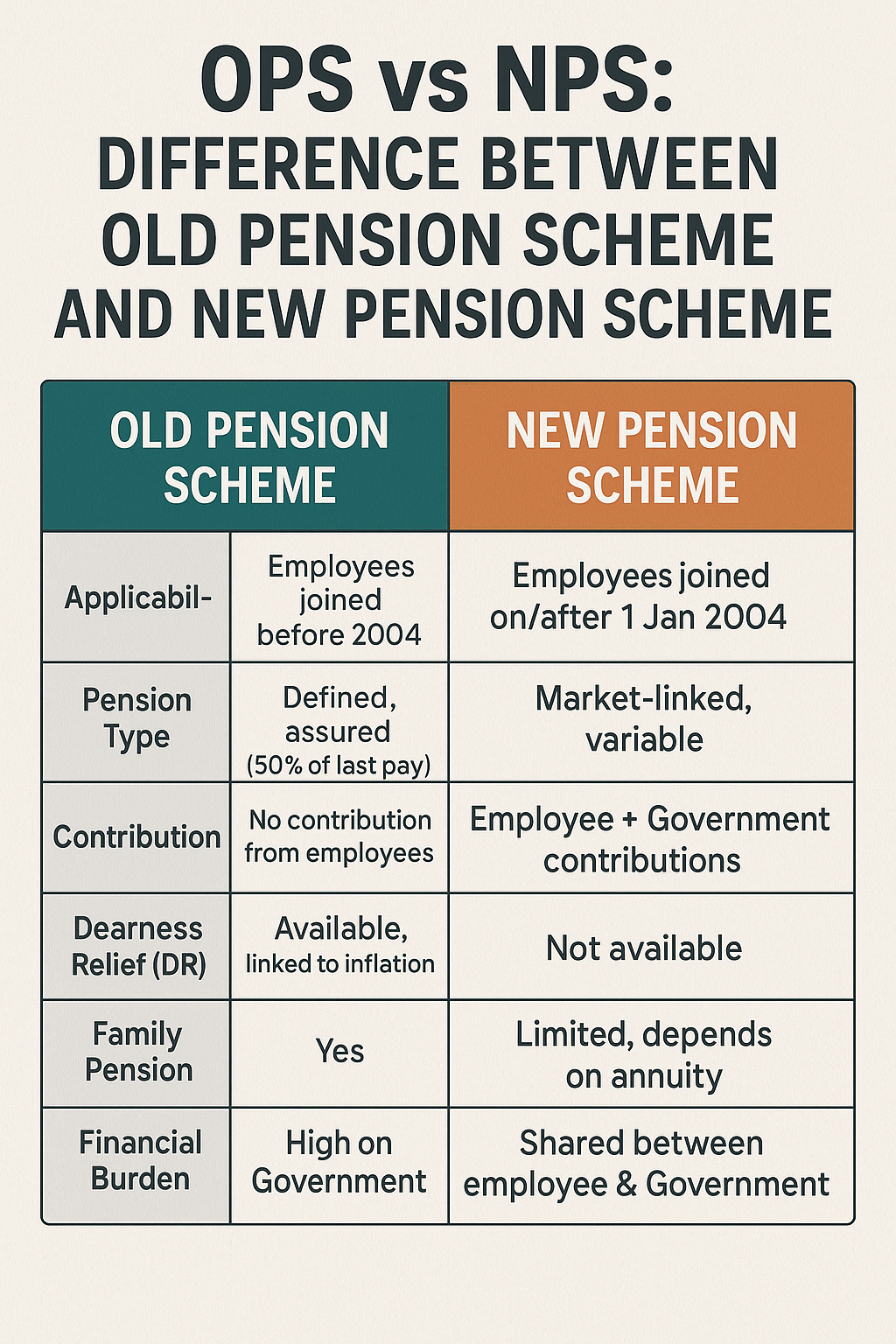
- Pensioners benefit too: Pensions are typically linked to basic pay, so pension revision will accompany pay revision.
- Budget/fiscal constraints matter: The higher the fitment factor, the bigger the burden on the exchequer; government will balance expectation vs affordability.
- Watch out for delays: Several reports suggest implementation could slip beyond Jan 2026 into 2026 - 27.
Why is this big news?
- For employees, better salaries mean improved purchasing power, which is especially relevant given high inflation, rising cost of living.
- For pensioners, it means enhanced retirement income.
- For the economy, a large salary hike for government employees means more consumption and potential boost to demand — though it also implies higher government expenditure and fiscal impact.
- For the government, it's a matter of balancing social justice, employee morale and fiscal prudence.
Conclusion
The 8th CPC is an important event for lakhs of central government employees and pensioners. The fitment factor will be one of the most-watched numbers, because it determines how much your basic pay (and thereby allowances and pension) may increase. With the Cabinet having approved the ToR, the process is now underway — but there are still several months before final figures are announced and implemented.
.jpeg)
.jpeg)
.jpeg)
.jpeg)
.jpeg)
.jpeg)
.jpeg)



.jpeg)










.png)






.png)