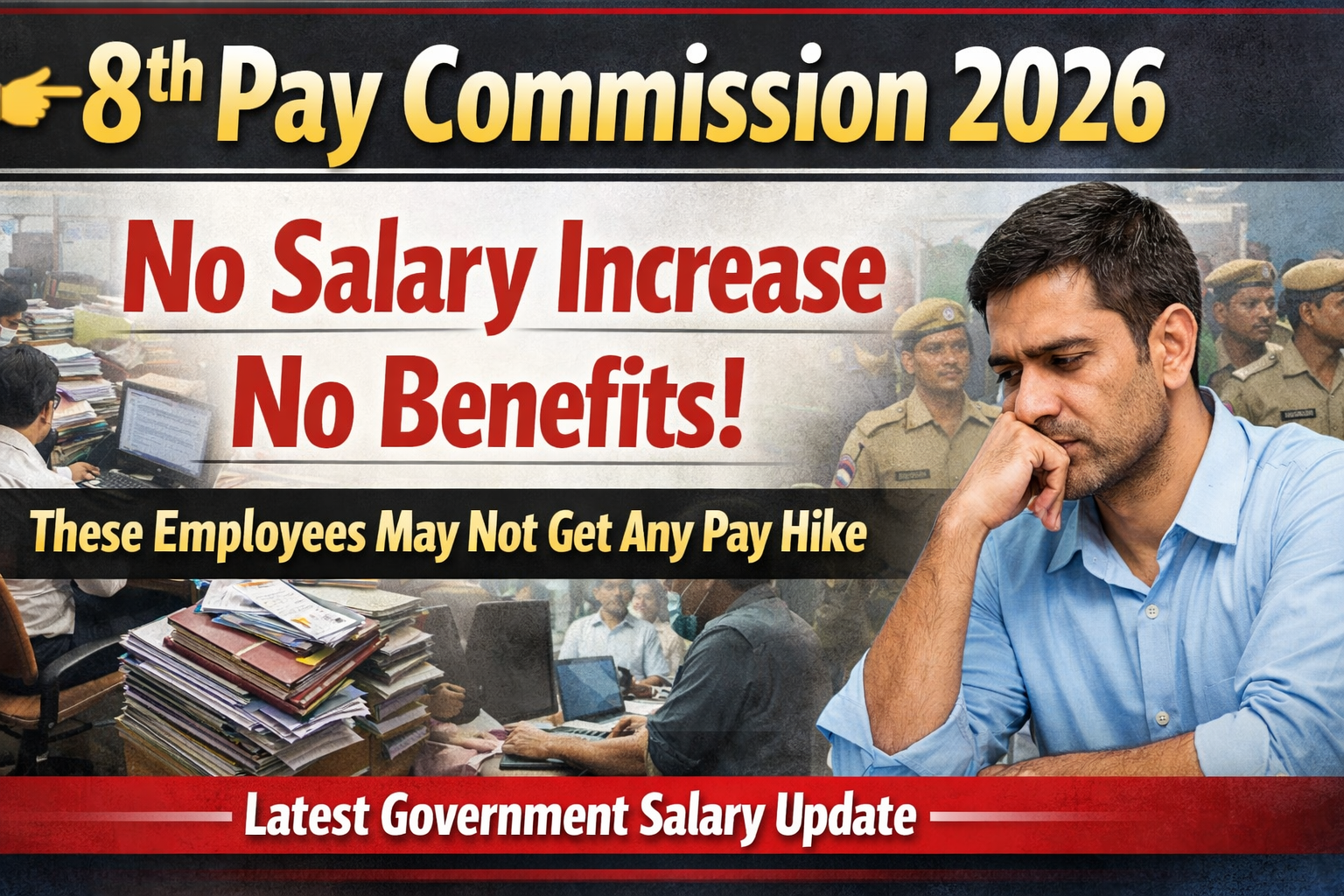
8th Pay Commission 2026: No Salary Increase, No Benefits!
 RAKHALDAS
8th Pay Commission 2026: No Salary Increase, No Benefits! These Employees May Not Gain
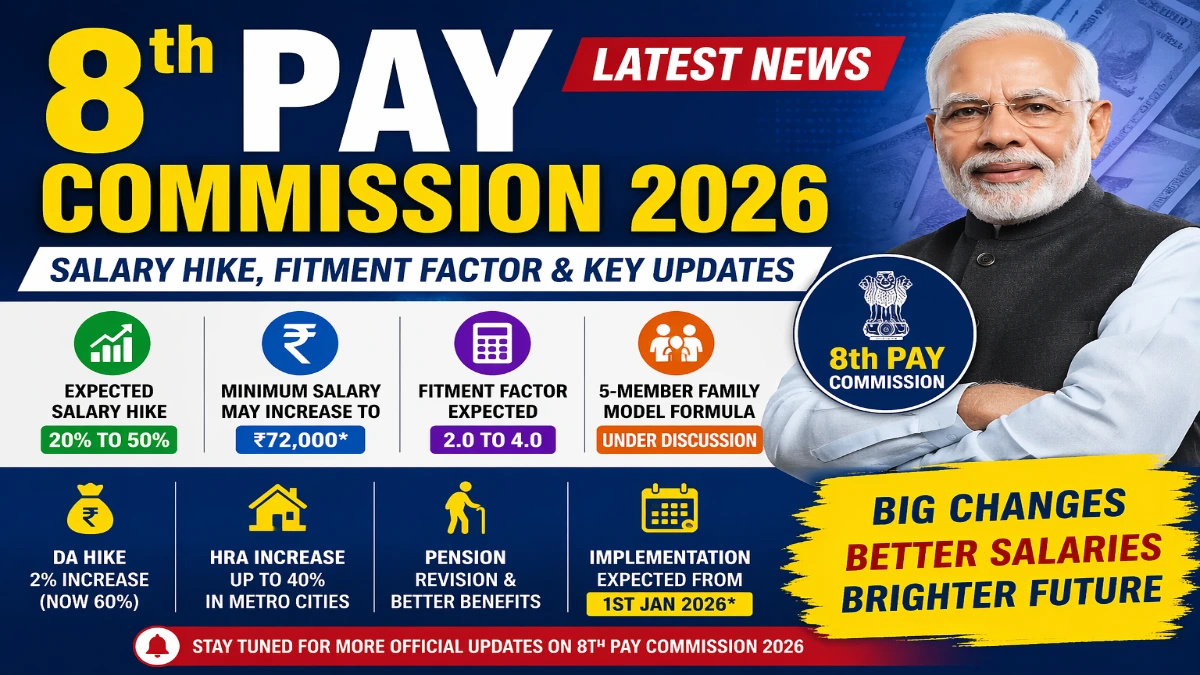
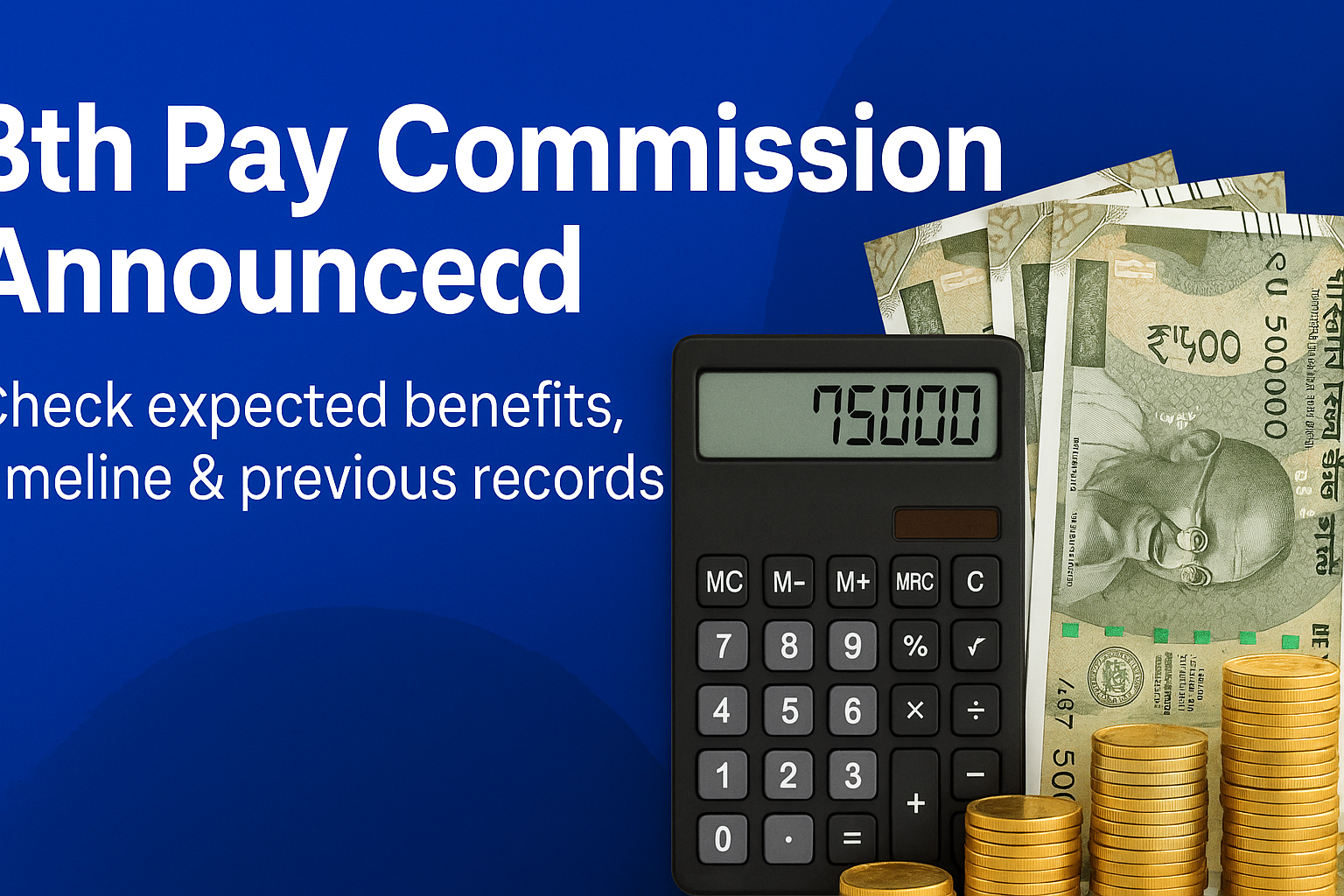
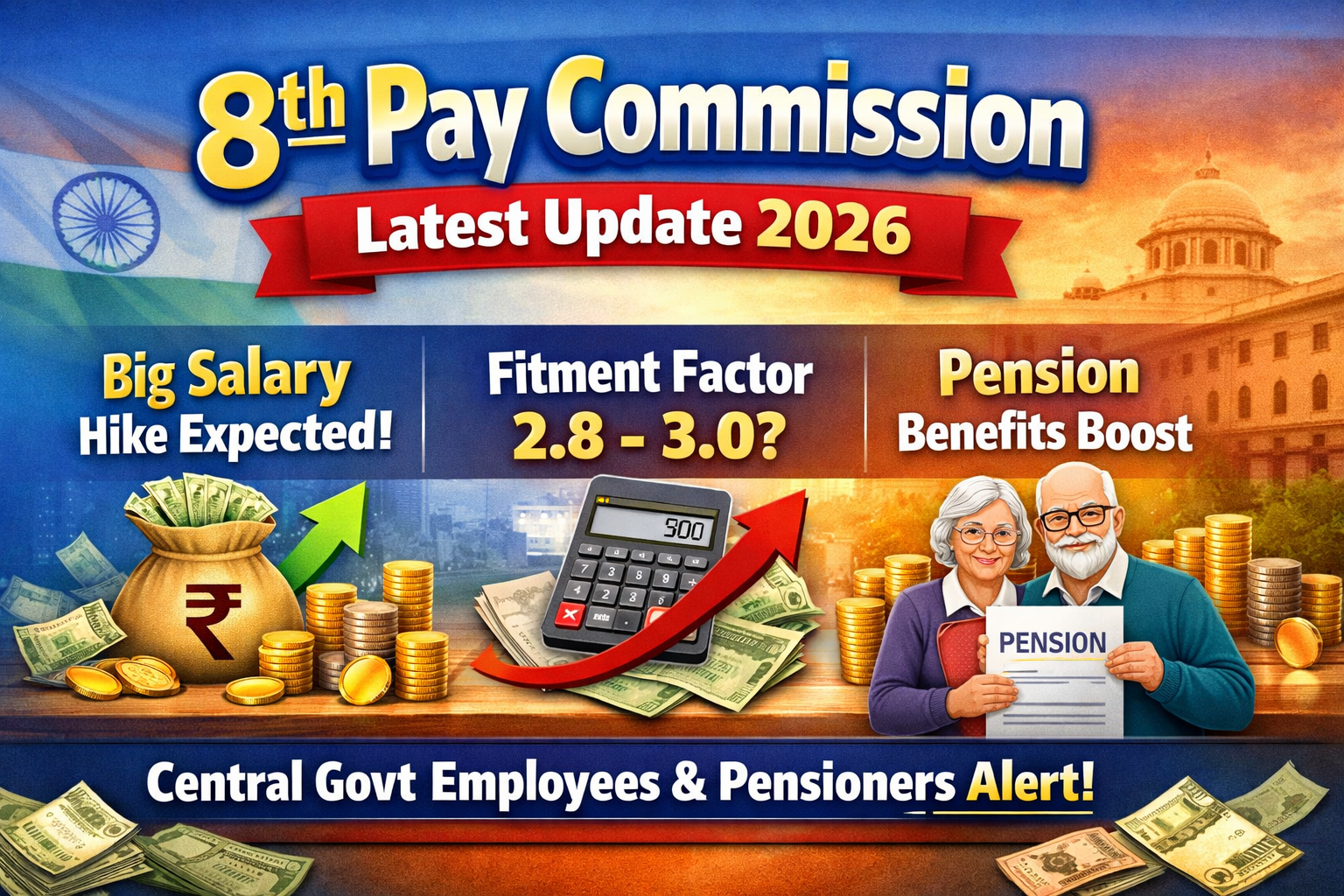
The upcoming 8th Pay Commission has created massive expectations among central government employees across India. Many are hoping for a big salary hike, DA merger, and improved retirement benefits starting from 2026.
However, the reality may not be equally beneficial for everyone.
While some employees are likely to enjoy financial gains, a large section may not receive any major salary increase or new benefits under the 8th Pay Commission.
Let’s understand who may miss out — and why.
What is the 8th Pay Commission?
The Pay Commission is formed by the Government of India every 10 years to revise:
-
Allowances
-
Pension benefits
-
Retirement structure
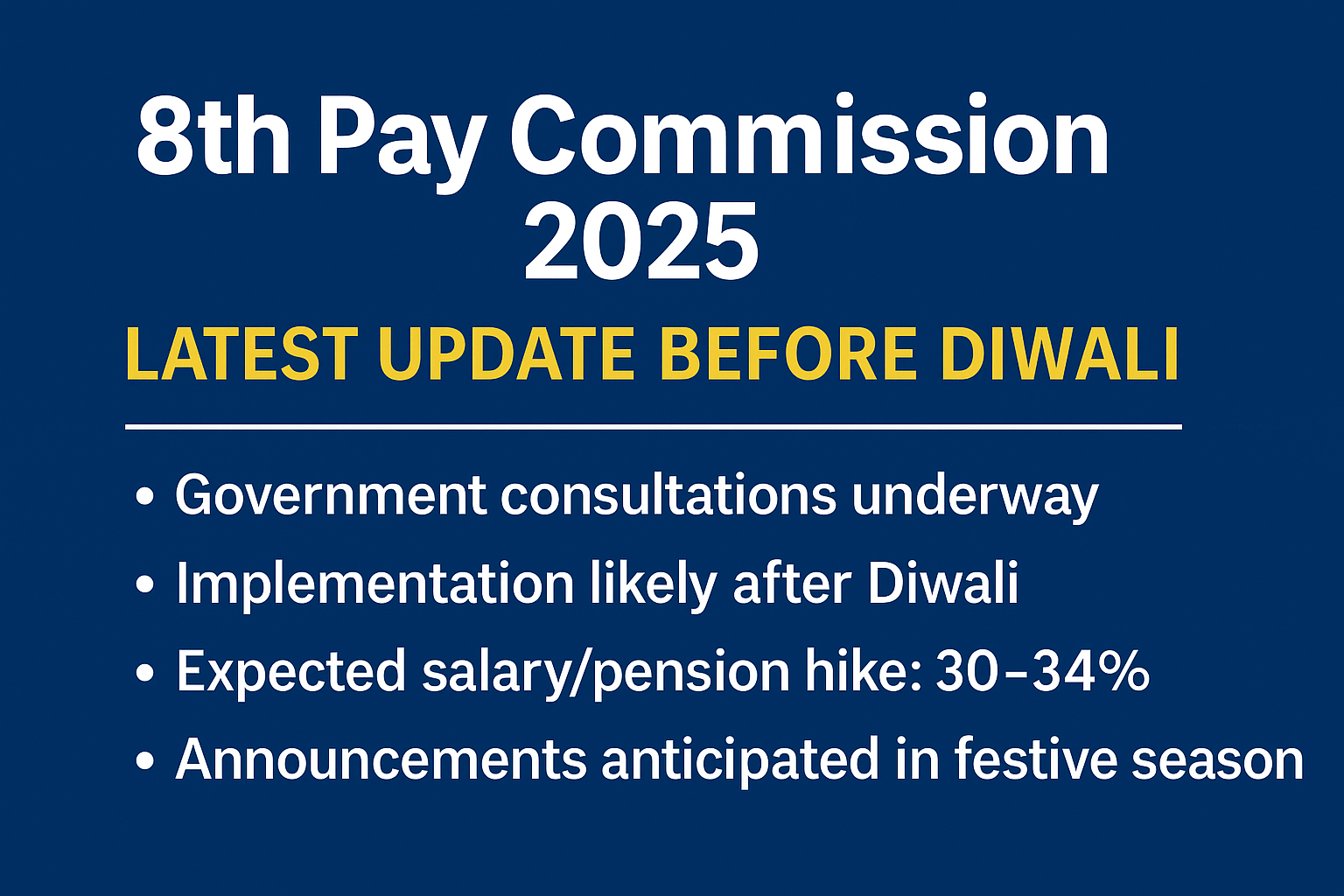
The 7th Pay Commission was implemented in 2016. The 8th Pay Commission is expected around 2026, which could reshape the salary structure of central government employees once again.
But not all employees will benefit equally.
Employees Who May Not Benefit
1. Contractual Employees
One of the biggest groups likely to be excluded are:
👉 Contract-based employees
These workers are not considered permanent staff. Their salary structure is governed by departmental contracts rather than pay commission norms.
This means:
-
No structured pay revision
-
No DA merger
-
No pension-linked upgrades
Even after the 8th Pay Commission is implemented, their income may remain unchanged.
2. Outsourced Staff
Many government departments now rely on:
-
Third-party hiring
-
Outsourced manpower
These employees do not fall under the central pay matrix.
So, even if government salaries rise:
✔ Permanent staff may benefit
❌ Outsourced workers may not receive any increase
3. Employees Under State Rules
The 8th Pay Commission applies mainly to:
👉 Central Government employees
State governments decide separately whether to implement similar changes.
So:
-
State employees may face delays
-
Some may receive partial benefits
-
Others may receive none initially
4. Newly Appointed Staff
Employees who recently joined service may not see immediate gains because:
-
Fitment benefits depend on tenure
-
Increment structures are experience-based
-
Pay upgrades often prioritize seniority
This means junior employees may not feel a strong financial impact in the early years.
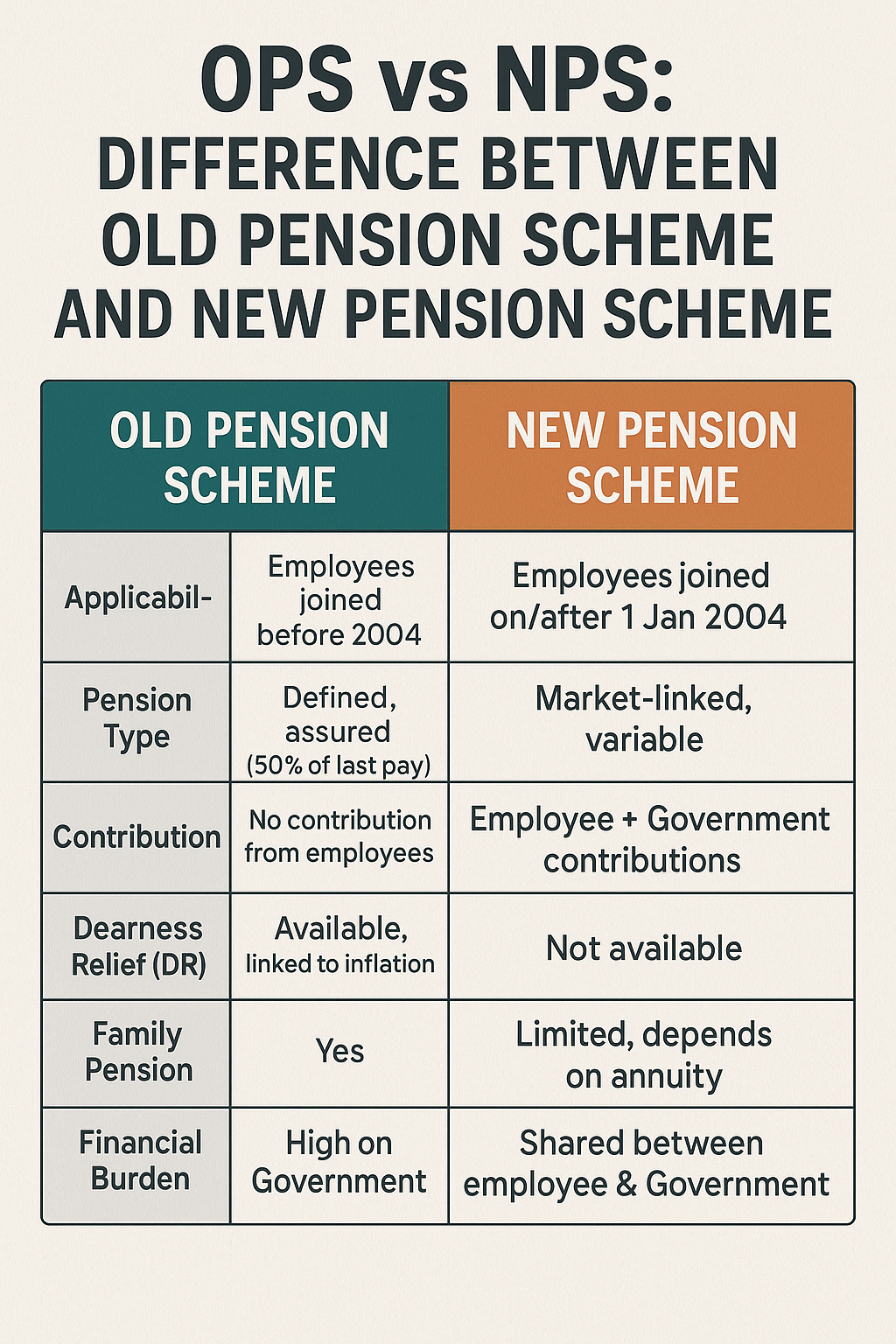
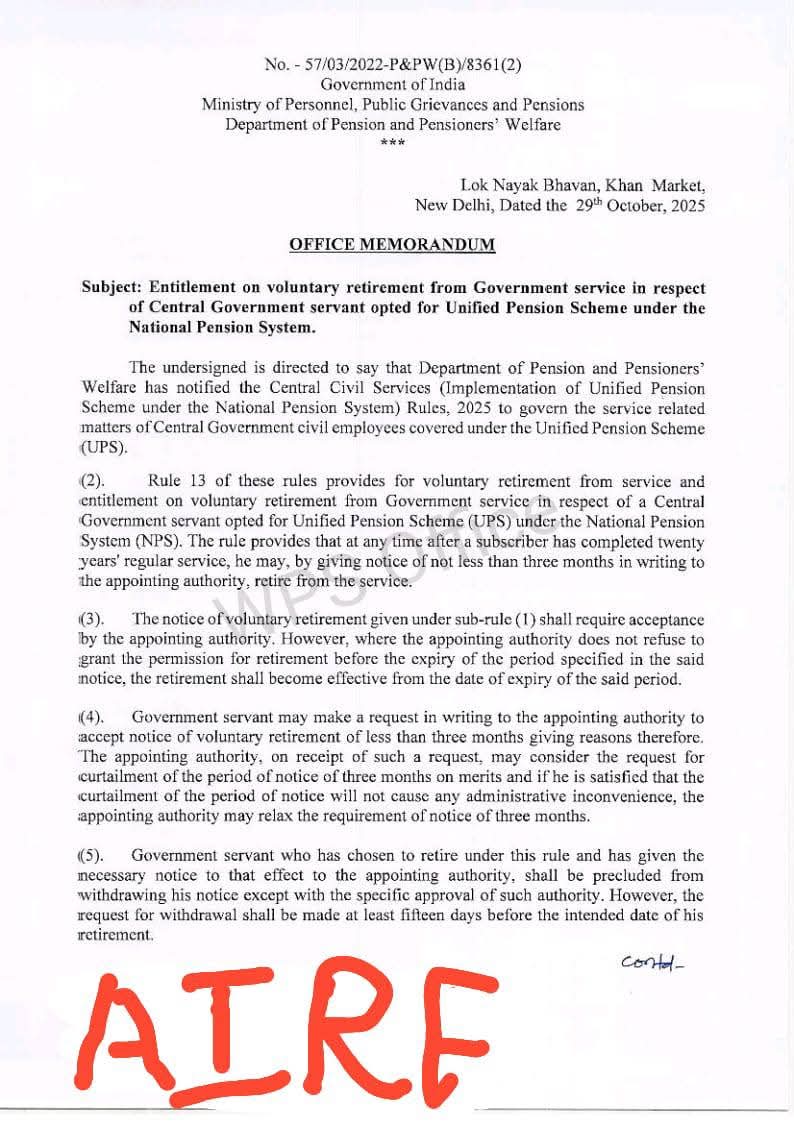
5. Pensioners Under New Pension Scheme (NPS)
Old Pension Scheme (OPS) pensioners usually benefit from:
-
DA revision
-
Pension adjustment
But NPS-based retirees depend on:
-
Market-linked returns
-
Contribution-based outcomes
So direct pension increase due to Pay Commission may be limited.
Why Salary May Not Increase for Everyone
Many experts believe that:
-
Government expenditure pressure is rising
-
Fiscal deficit concerns are increasing
-
Focus is shifting toward performance-based pay
Instead of blanket salary hikes, future reforms may include:
✔ Selective incentives
✔ Role-based allowances
✔ Digital governance incentives
This could limit across-the-board benefits.
Possible Benefits for Some Employees
Despite exclusions, certain groups may gain:
-
Long-term permanent staff
-
Higher grade officers
-
Employees nearing retirement
-
Those under OPS structure
Expected improvements may include:
-
Pay matrix revision
-
DA merger possibility
-
Allowance restructuring
Key Reality Check
The 8th Pay Commission may not be a universal financial boost.
For many employees:
❌ No salary jump
❌ No new allowances
❌ No pension advantage
Especially for:
-
Contract workers
-
Outsourced staff
-
NPS retirees
-
New recruits
Conclusion
The 8th Pay Commission is expected to bring structural reform — not guaranteed financial gain for all.
While permanent central government employees may benefit from revised pay scales, a large section of the workforce may see little to no impact.
Understanding this reality early can help employees plan their financial future better rather than depending solely on Pay Commission revisions.
.jpeg)
.jpeg)
.jpeg)
.jpeg)
.jpeg)
.jpeg)
.jpeg)



.jpeg)







.png)



.png)