Retirement Benefits 8th Pay Commission: NC-JCM Staff Side Full Memorandum Explained
 Rakhal das
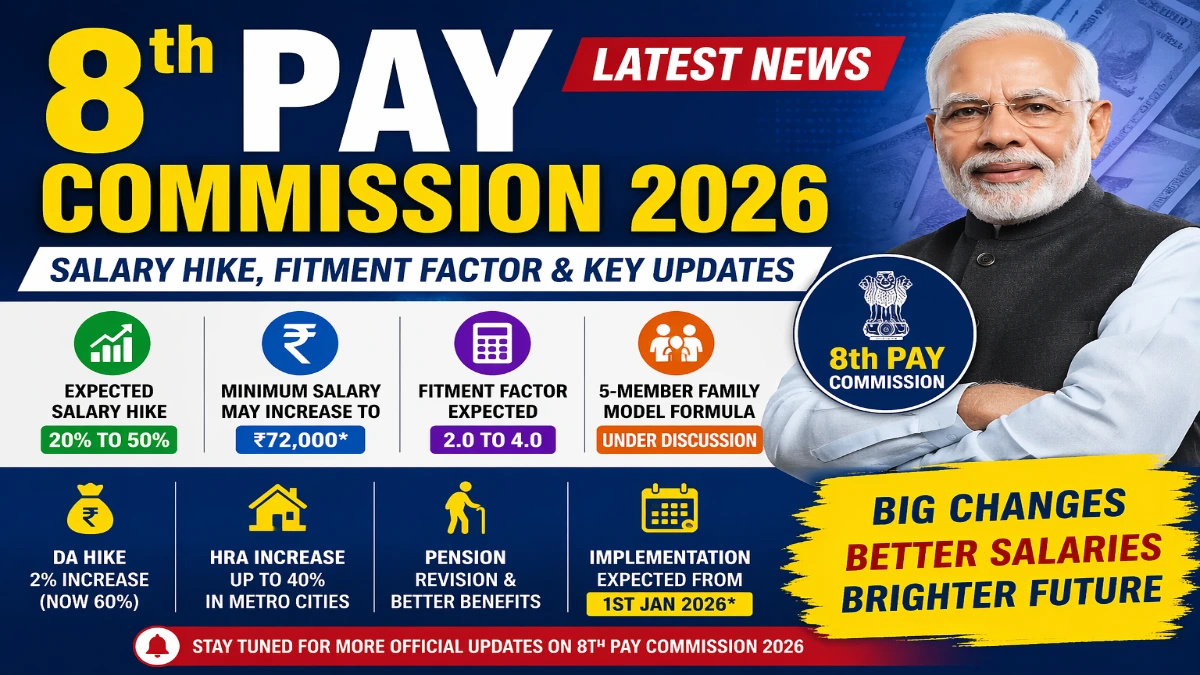
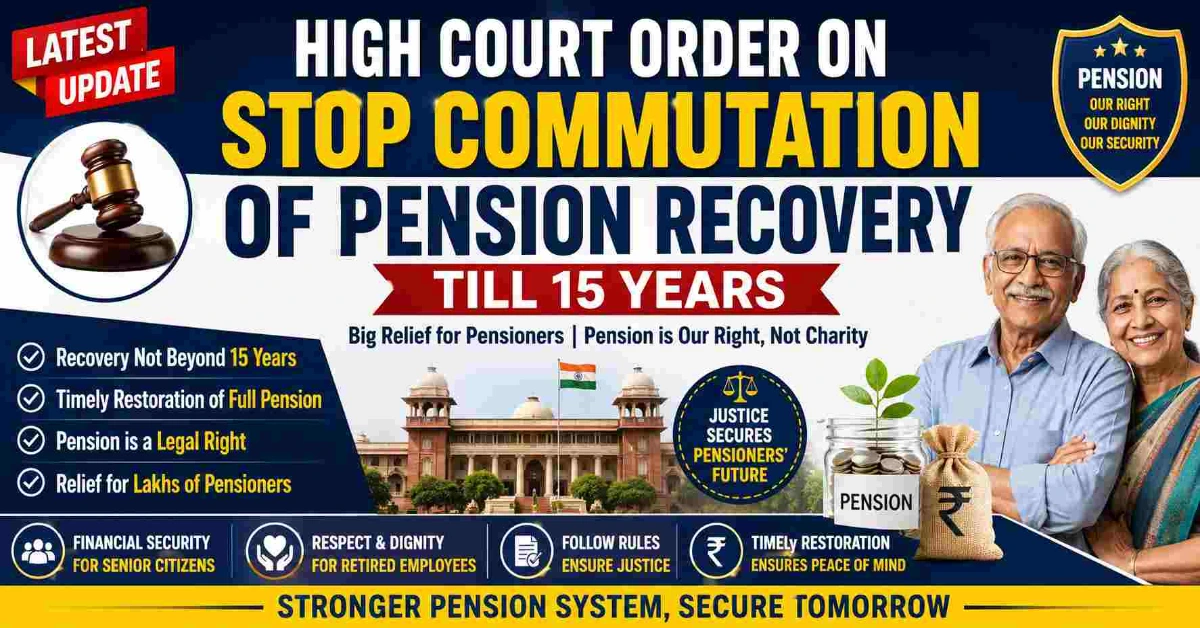
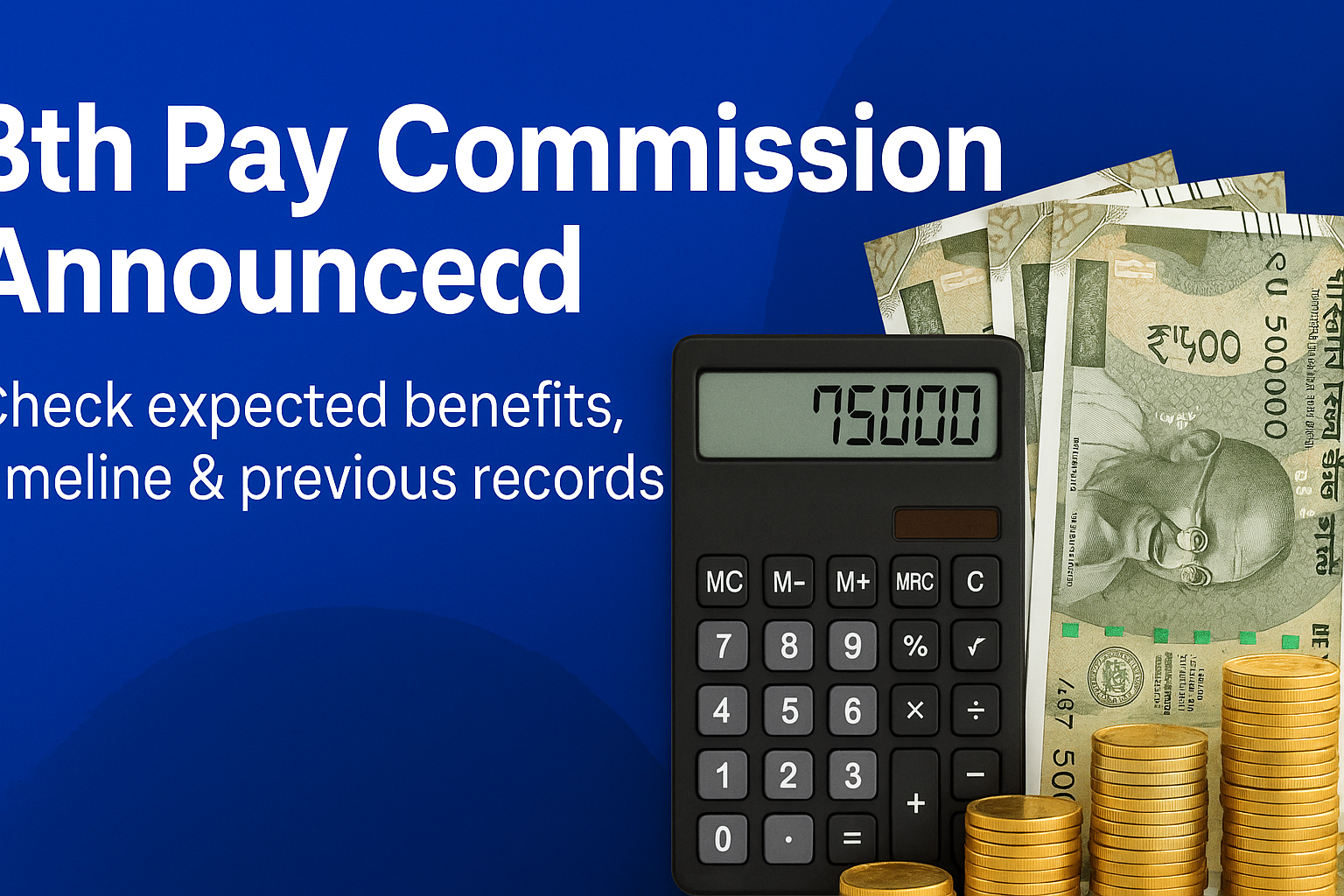
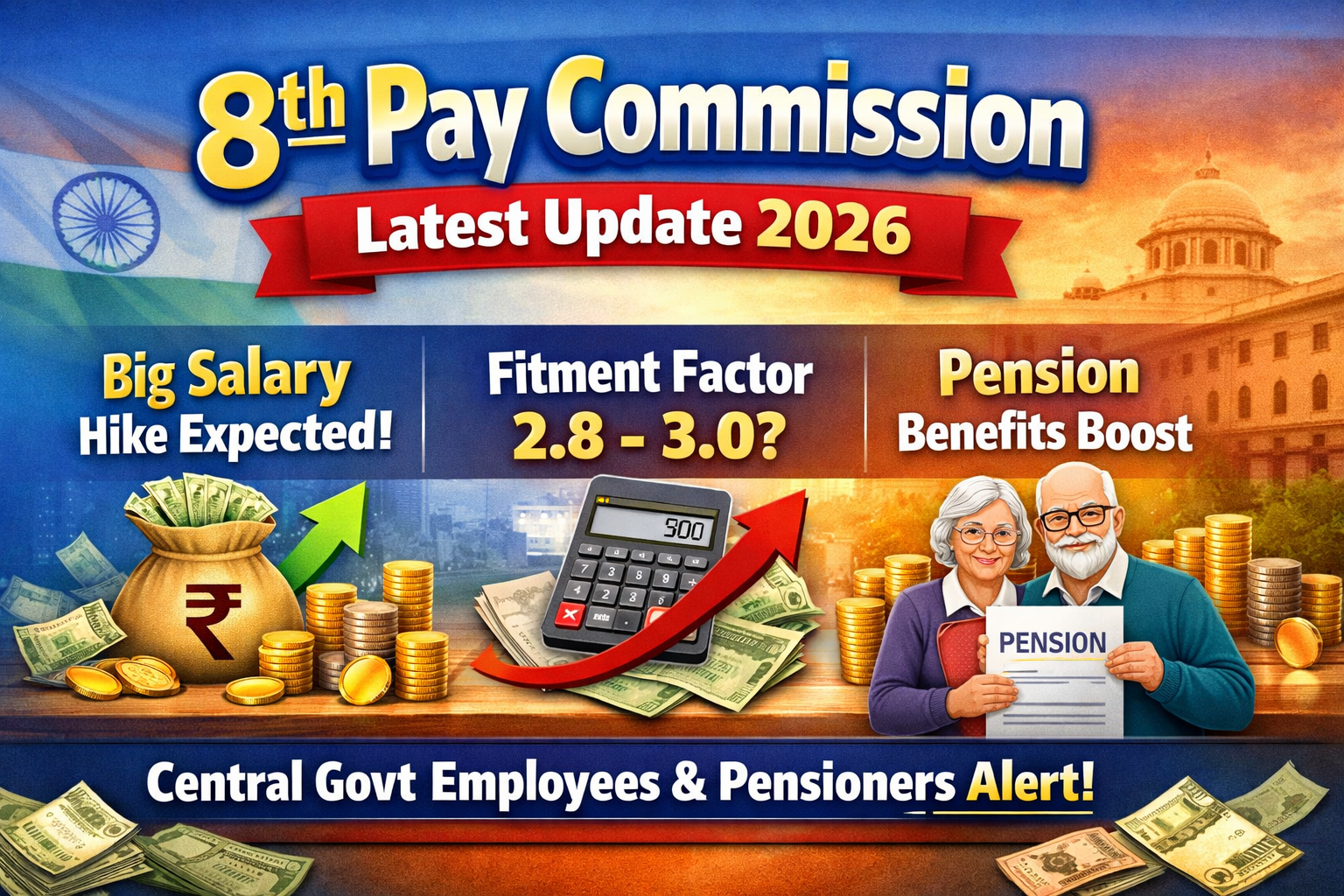
The discussion around Retirement Benefits 8th Pay Commission has gained massive attention among central government employees and pensioners. The Staff Side of the National Council Joint Consultative Machinery has formally submitted a detailed memorandum highlighting key issues related to retirement security, pension reforms, and social protection mechanisms.
This memorandum is not just a routine submission—it reflects deep concerns about inflation, financial instability, and the need for a robust retirement framework for millions of employees. The upcoming 8th Central Pay Commission is expected to play a transformative role in shaping the future of pension and retirement policies in India.
Overview of the Memorandum
| 📌 Section | 📄 Details |
|---|---|
| Submitted By | Staff Side, NC-JCM |
| Target | 8th Central Pay Commission |
| Focus Area | Retirement Benefits |
| Key Topics | Pension, Gratuity, OPS, Family Pension |
| Objective | Financial security after retirement |
Background of Pay Commissions in India
India has a long tradition of Pay Commissions that revise salaries and pension structures of central government employees. From the First Pay Commission to the 7th Pay Commission, each has introduced significant changes.
However, despite these revisions, retirement benefits have remained a contentious issue due to rising inflation and changing economic conditions.
Current Retirement System (7th Pay Commission)
| 🔢 Component | 📊 Current Provision |
|---|---|
| Minimum Pension | ₹9,000 |
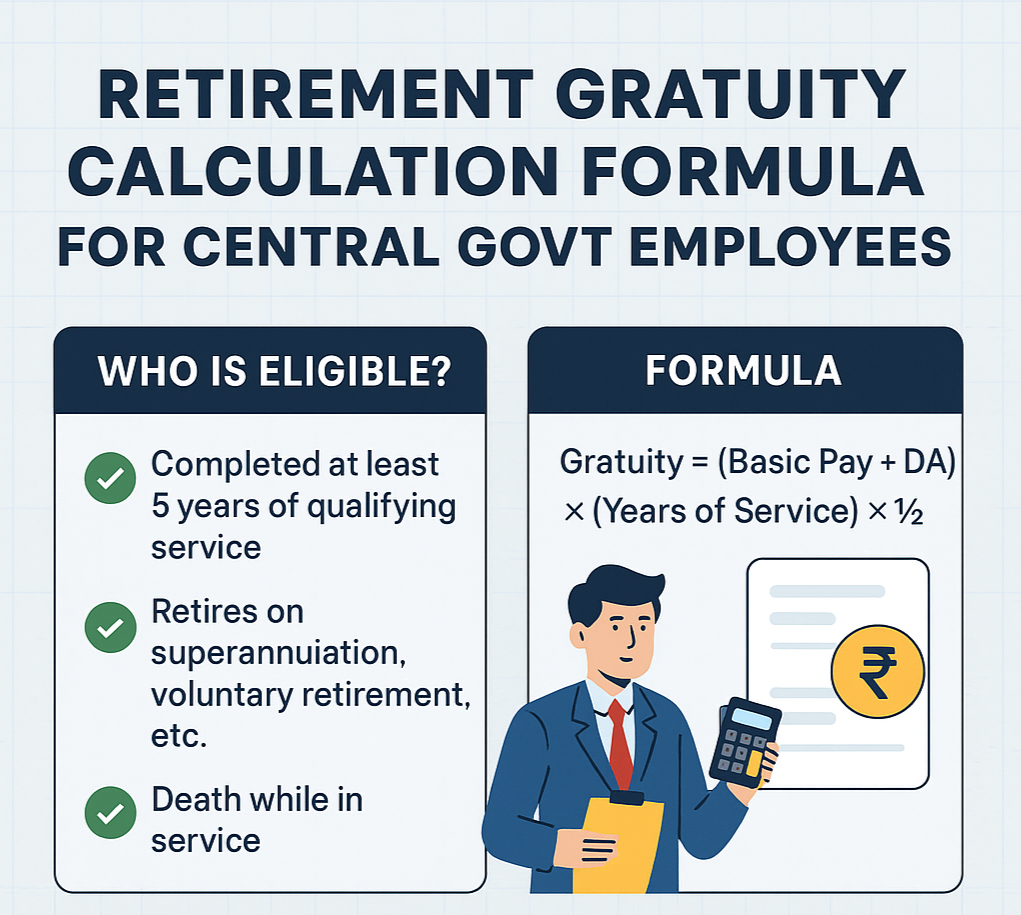
| Gratuity Limit | ₹20 lakh |
| Pension Formula | 50% of last pay |
| Family Pension | 30% |
| NPS Coverage | Mandatory for new recruits |
Key Issues Highlighted by NC-JCM
1️⃣ Inadequate Pension
The memorandum points out that the current minimum pension of ₹9,000 is insufficient in today’s economic environment.
2️⃣ Inflation Impact
Rising prices of essentials, healthcare, and housing have significantly reduced the real value of pensions.
3️⃣ NPS Concerns
The shift from OPS to NPS has created uncertainty among employees due to market-linked returns.
4️⃣ Healthcare Challenges
Limited access to quality healthcare facilities for pensioners remains a major concern.
Major Demands
| 🔥 Demand | 📌 Description | 🎯 Expected Benefit |
|---|---|---|
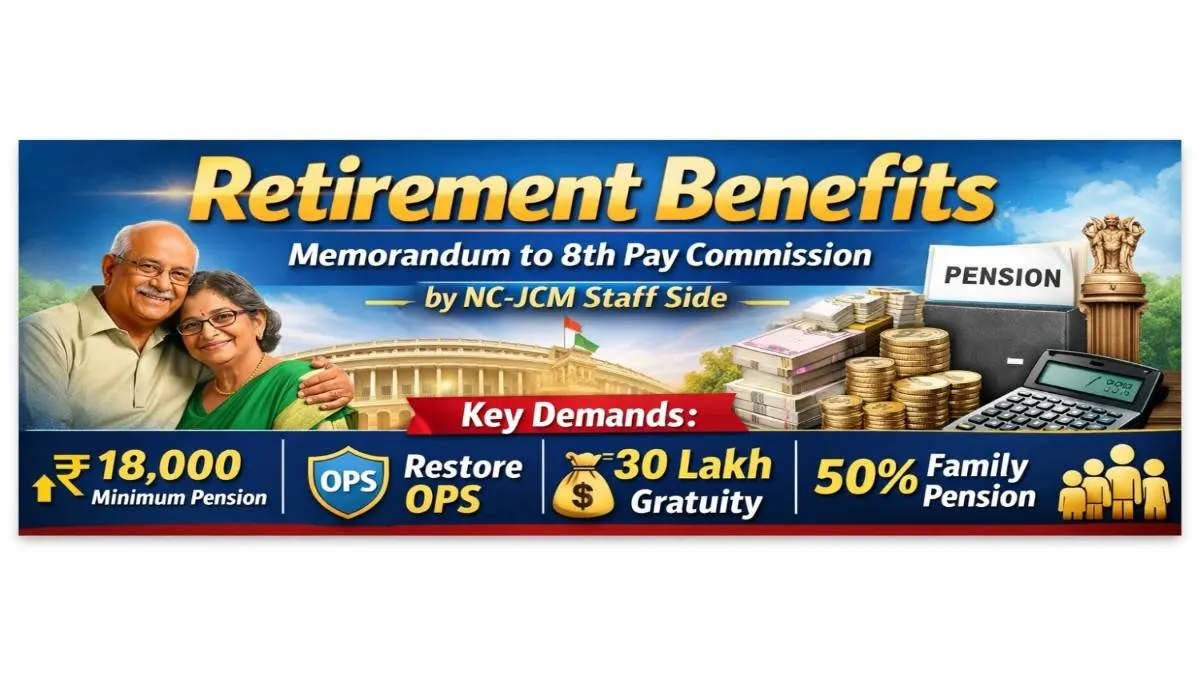
| Minimum Pension ₹18,000 | Doubling pension | Better livelihood |
| Restore OPS | Guaranteed pension | Financial stability |
| Gratuity ₹30 lakh | Increase ceiling | Higher retirement corpus |
| Family Pension 50% | Increased support | Social security |
| DA Neutralization | Full inflation adjustment | Protect purchasing power |
Detailed Explanation of Key Demands
🧾 1. Minimum Pension Increase
The demand to raise the minimum pension to ₹18,000 is based on the rising cost of living. Employees argue that the current amount is not sufficient for basic survival.
🧾 2. Restoration of Old Pension Scheme (OPS)
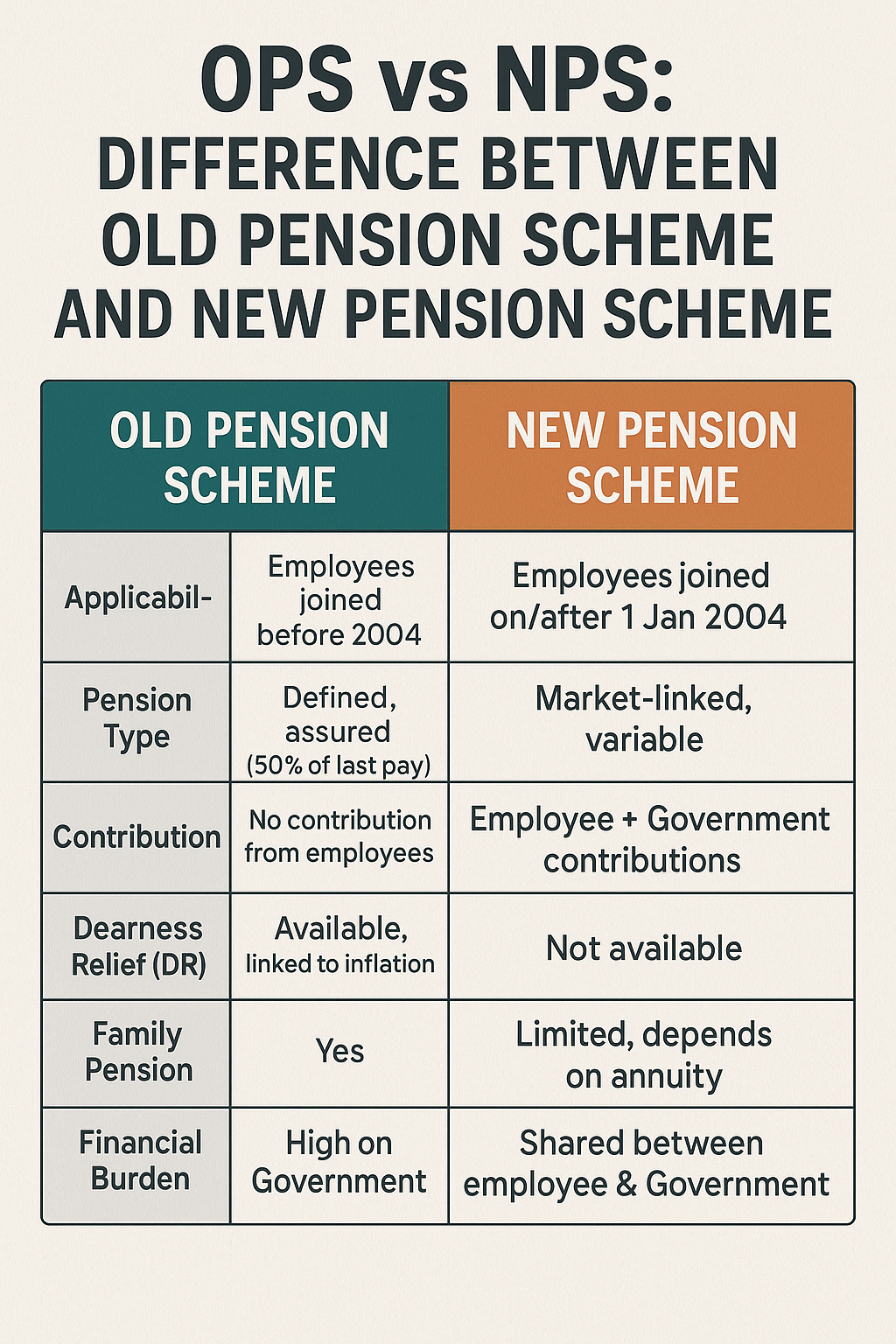
The Staff Side strongly advocates for the return of OPS, which provides guaranteed pension benefits. Unlike NPS, OPS is not dependent on market fluctuations.
🧾 3. Gratuity Enhancement
Increasing the gratuity limit to ₹30 lakh is seen as necessary to match inflation and ensure adequate retirement savings.
🧾 4. Family Pension Reform
The proposal to increase family pension to 50% aims to provide better support to dependents after the death of the pensioner.
🧾 5. Dearness Relief (DR)
Full neutralization of inflation through DR is a key demand to ensure pensions retain their value over time.
OPS vs NPS Comparison
| ⚖️ Feature | OPS | NPS |
|---|---|---|
| Pension Type | Guaranteed | Market-linked |
| Risk | None | High |
| Contribution | Govt-funded | Employee + Govt |
| Security | High | Moderate |
Financial Implications for Government
Implementing these demands will have a significant financial impact on the government.
| 💰 Factor | 📊 Impact |
|---|---|
| Increased Pension | Higher expenditure |
| OPS Restoration | Long-term liability |
| Gratuity Increase | Immediate cost |
However, supporters argue that employee welfare should be prioritized over fiscal constraints.
Impact on Employees and Pensioners
| 👥 Category | 📈 Benefit |
|---|---|
| Retired Employees | Higher income |
| Families | Better protection |
| Future Employees | Secure retirement |
Healthcare and Social Security
The memorandum also emphasizes expanding healthcare facilities under CGHS and introducing universal coverage for pensioners.
International Comparison
| 🌍 Country | Pension System |
|---|---|
| USA | Social Security |
| UK | State Pension |
| India | Mixed (OPS + NPS) |
Expected Timeline
| ⏳ Stage | 📅 Timeline |
|---|---|
| Submission | Completed |
| Review | 2026 |
| Implementation | 2027 (Expected) |
FAQ
Q1. What is the 8th Pay Commission?
It is a government body that revises salaries and pensions of central employees.
Q2. What is NC-JCM?
The National Council Joint Consultative Machinery represents employees in negotiations with the government.
Q3. What is the proposed minimum pension?
₹18,000 as per the memorandum.
Q4. Why is OPS demanded?
For guaranteed pension and financial security.
Q5. When will changes be implemented?
Expected around 2027.
Conclusion
The Retirement Benefits 8th Pay Commission memorandum by the NC-JCM Staff Side is a landmark document that highlights the urgent need for pension reforms in India. With rising inflation and increasing life expectancy, ensuring financial security for retirees has become more important than ever.
If the government accepts these recommendations, it could significantly improve the quality of life for millions of pensioners and their families.
.jpeg)
.jpeg)
.jpeg)
.jpeg)
.jpeg)
.jpeg)
.jpeg)



.jpeg)







.png)


.png)